

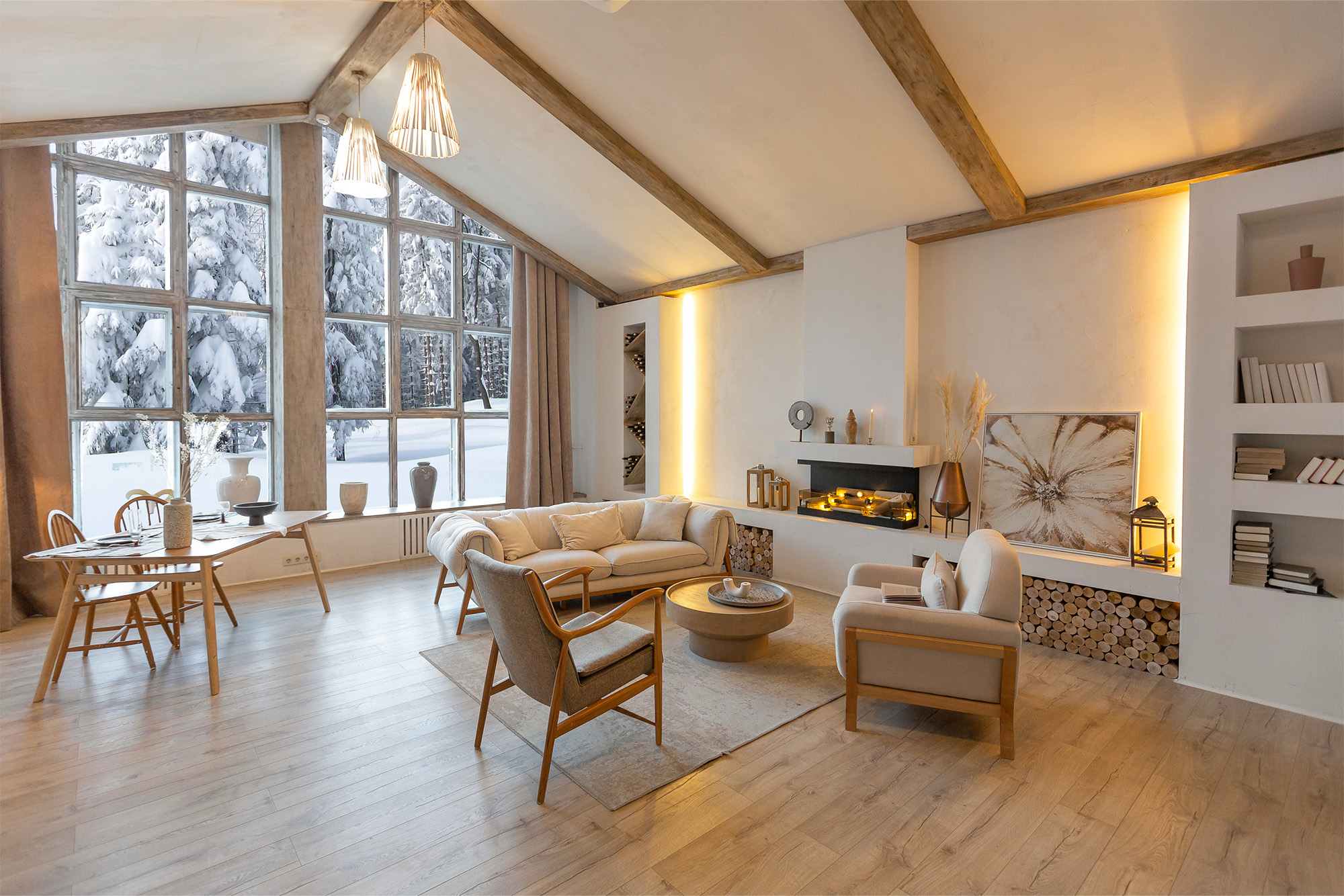
You’re standing in your living room, thinking about a remodel, and the question isn’t just what looks best anymore. A lot of homeowners in Moorestown are also asking what will last, what’s easier on the environment, and what makes sense for real daily life. That’s where the hardwood-versus-laminate conversation gets more interesting, because sustainability is about more than a green label.
What sustainability really means under your feet
Most people hear “sustainable flooring” and think only about raw materials. That matters, but it’s only one piece of the picture. A floor’s environmental impact also comes from how long it lasts, how often it needs to be replaced, and how well it handles your home’s conditions.
That’s one reason many homeowners start by reading up on hardwood flooring basics. Real wood has a strong sustainability case because it can last for decades and, in many cases, be refinished instead of removed. A longer life usually means less material sent to landfills over time.
Laminate can still be part of a thoughtful plan, especially if budget is part of the equation. It often uses wood byproducts efficiently and can reduce the need for harvesting solid lumber. If you want a broader look at laminate options, it helps to compare not just appearance, but expected lifespan and where the floor will actually be installed.
Hardwood wins on longevity, but construction matters
If your priority is keeping the same floor for a very long time, hardwood usually comes out ahead. A well-made wood floor can stay in service through style changes, furniture moves, and years of family traffic. That durability is a real sustainability advantage because the greenest floor is often the one you do not have to replace soon.
Still, not every wood floor behaves the same way in South Jersey. In Cherry Hill’s renovation-heavy market, we often help homeowners weigh stability just as much as species or color. Engineered hardwood is often the smarter fit here because it handles seasonal humidity swings better than solid planks, especially over concrete or on lower levels.
Species choice matters too. Many people looking for a balance of durability, timeless style, and long-term value end up comparing oak hardwood. It has staying power both structurally and visually, which makes it easier to live with for years instead of chasing short-lived trends.
Laminate can be the smarter use-case choice
Sustainability is not only about which material sounds more natural. It is also about using the right product in the right room. If a floor fails early because moisture, pets, or heavy use were underestimated, that replacement cycle cancels out a lot of good intentions.
That’s why we talk honestly about climate and placement. In homes with finished basements, busy entry areas, or rooms that see more moisture, laminate may be practical, but it has limits. In many of those cases, especially around South Jersey’s humid summers and wet winters, we may point homeowners toward waterproof surfaces in other categories instead of forcing the wrong fit.
As three brothers who built Rodrigues Flooring around long-term relationships, we’d rather help you think through the whole project than push one material. From product selection to prep and installation, our flooring services are meant to reduce mistakes that shorten a floor’s life.
The most eco-smart choice is the one that fits your home
For many families, the most sustainable answer is hardwood in the main living areas and a different material where moisture is a bigger concern. That kind of mix often works especially well in Mount Laurel’s newer construction, where open layouts connect several spaces with different demands.
The key is looking at lifespan, maintenance, room conditions, and budget together. Hardwood usually leads if you want decades of use and the option to refinish. Laminate can make sense if you want a lower upfront cost and a wood look in a lower-risk space. A smart decision is rarely about one buzzword. It’s about choosing a floor you’ll still be happy living on years from now.
If you want help sorting through the tradeoffs in your own home, we’d be glad to walk you through it with a free in-home estimate.


