

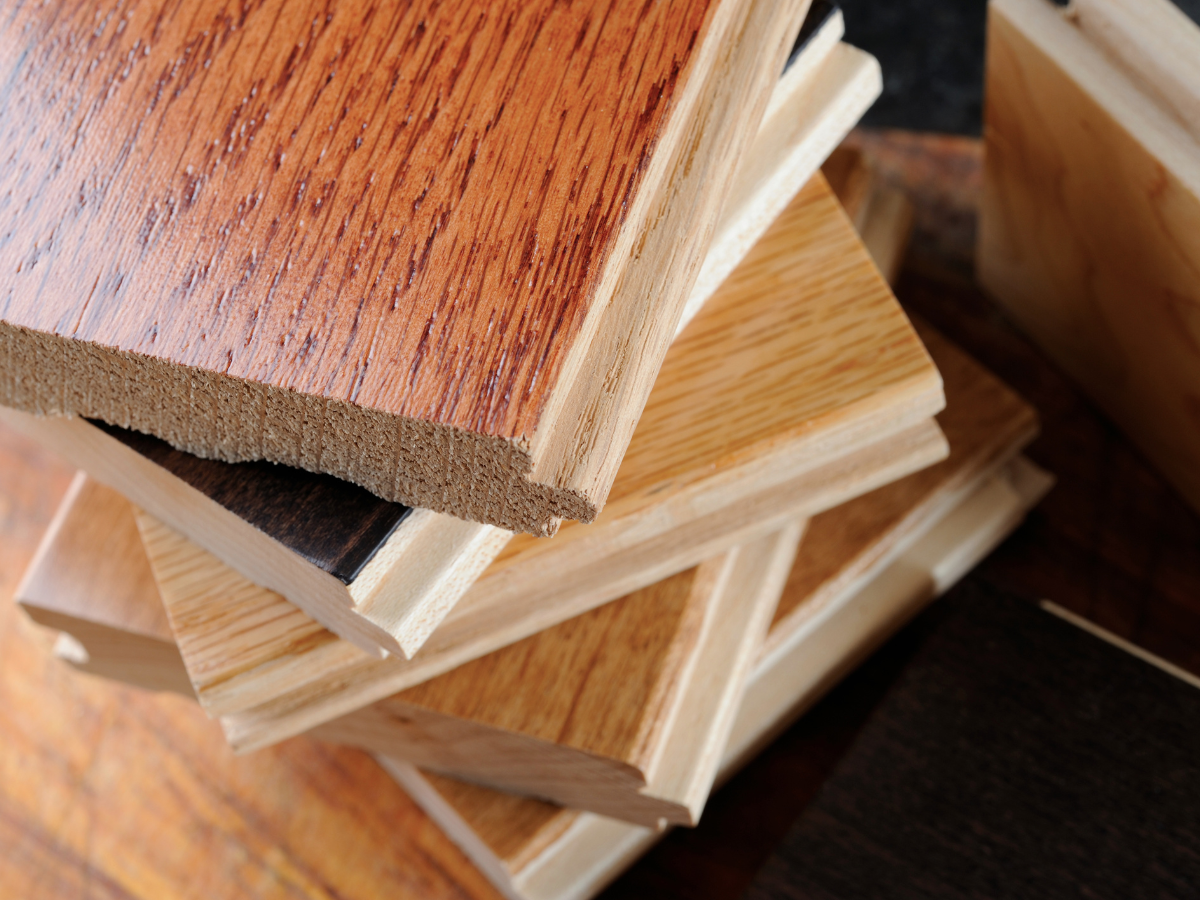
You’re standing in your living room after moving the rug and suddenly noticing everything at once: the wall color feels different, the room seems smaller than you remembered, and the old floor is setting the whole tone. That moment happens a lot in Moorestown homes, especially when natural light shifts from bright summer afternoons to gray winter mornings. Floor color has a bigger effect than most people expect, not just on style, but on how a room feels day to day.
Light floors make a room feel open and easy to live with
Light-toned wood usually creates a softer, more spacious look. It reflects more natural light, which helps smaller rooms feel less closed in and makes open layouts feel calmer. In older homes, it can also keep original trim, built-ins, and detailed millwork from feeling visually heavy.
That doesn’t mean every pale floor looks the same. Some homeowners want a clean, modern look, while others prefer something warmer and more natural. If you’re comparing species, oak hardwood options tend to offer a lot of flexibility in color and grain, which is one reason we use them so often in family spaces.
Light floors also tend to hide everyday dust a little better than very dark ones. They won’t disguise everything, but they’re often more forgiving if you have kids running in from the yard or a busy week where sweeping doesn’t happen every night.
Dark floors bring contrast, but they ask more from the room
Darker wood can be dramatic in the best way. It adds contrast, grounds large rooms, and gives formal dining rooms or home offices a richer look. In some Cherry Hill renovations, that deeper tone works beautifully because the surrounding finishes are bright enough to balance it.
Still, dark flooring changes the visual weight of a space. It can make a room feel more intimate, which some people love, but it may also highlight dust, pet hair, and surface scratches more quickly. That doesn’t make it wrong. It just means the floor has to match your daily life, not only the photo you saved.
Construction matters too, especially in South Jersey’s humidity swings. In many homes, engineered hardwood is the smarter fit because it handles seasonal movement better than solid boards, particularly on or below grade. If you want a broader sense of how wood behaves over time, our hardwood flooring guide breaks that down in plain language.
The right color depends on light, layout, and how you live
Floor color psychology is really about context. A dark stain in a sun-filled room may feel warm and tailored. The same tone in a shaded space can feel heavier than you wanted. Meanwhile, a light floor can feel airy in one home and washed out in another if the walls and cabinets are already very pale.
That’s why we look at the whole room instead of isolating one sample board. In Mount Laurel’s newer construction, for example, open floor plans often benefit from tones that create definition without making the main level feel chopped up. Sometimes that points to wood. Other times, homeowners want the same visual effect with less maintenance, and wood-look luxury vinyl gives them that flexibility, especially in busier households.
As three brothers who built Rodrigues Flooring around personal service, we’ve learned that color decisions get easier when you stop asking which shade is “best” and start asking which one supports the way your home actually works. You can also get a feel for how different tones live in real spaces by browsing recent project photos.
Light floors feel open, relaxed, and forgiving. Dark floors feel grounded, tailored, and bold. The better pick is the one that fits your light, your routine, and the mood you want every time you walk in the door. If you want help comparing samples in your own space, we’d be glad to set up a free in-home estimate.


