

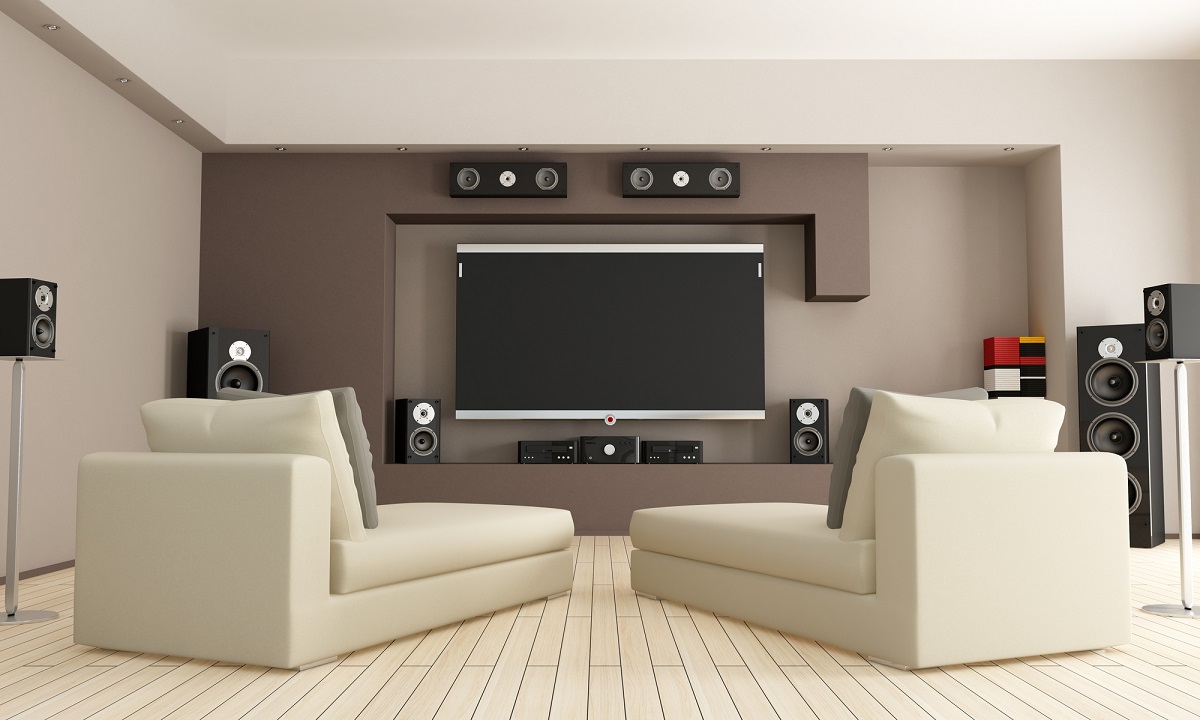
Picture a finished basement in Moorestown on movie night. The surround sound is dialed in, the lights are low, and then every footstep across the floor seems louder than the scene on screen. That usually surprises homeowners, because the room may look finished, but the flooring still plays a big role in how sound travels, softens, or bounces around the space.
In media rooms, the goal is not total silence. It is controlled sound. You want dialogue to feel clear, bass to stay rich, and everyday noise to stay in the background. That is where the difference between luxury vinyl and carpet starts to matter.
Carpet softens sound more naturally
Carpet is usually the stronger choice if sound control is your top priority. Soft fibers and cushion help absorb footfall noise, reduce echo, and make the room feel calmer overall. In a space built for long movies, gaming, or watching sports, that softer surface can make the whole experience more comfortable.
The construction matters too. A dense plush can create a more hushed feel, while some lower-profile loops can still help with sound without looking overly casual. If you want to compare textures that work well in these spaces, it helps to look at cut-pile and plush carpet alongside loop and berber carpet. Each one changes how the room feels underfoot and how lively the room sounds.
That said, softness is only part of the decision. In homes with kids, pets, or snack-heavy movie nights, many families also want something easier to clean than a traditional theater-style floor.
Luxury vinyl keeps sound more active, but it solves other problems
Luxury vinyl does not absorb sound the way carpet does, so the room will usually feel a little more reflective. You may notice more tap from shoes, more movement from chairs, and a slightly brighter overall sound. Still, that does not make it the wrong choice. It just means you are balancing acoustics with maintenance, moisture resistance, and style.
For many South Jersey homes, especially finished basements near the riverfront towns like Palmyra, moisture concerns shape the decision before sound ever does. In those cases, waterproof luxury vinyl often makes more sense than a fully carpeted room. If you still want a quieter feel, we often suggest layering the space with seating, wall treatments, and area rugs rather than relying on the floor alone.
Some products also feel more solid underfoot than others. Exploring rigid-core luxury vinyl can help you see options that hold up well in active households while still giving you the clean look many homeowners want.
The best answer often depends on how the room gets used
A dedicated theater has different needs than a mixed-use basement. If the room is mainly for movies, carpet often wins because it supports the quiet, cozy atmosphere people usually want. If the same area doubles as a playroom, workout zone, or overflow hangout space, luxury vinyl may fit real life better.
That is especially true in Cherry Hill, where renovation-heavy homes often need one room to do several jobs at once. In that kind of layout, we help homeowners think beyond samples and focus on how the room will sound on a regular Tuesday, not just how it looks right after installation. Our flooring services cover that full process, from selection through installation, so we can help weigh acoustics, subfloor conditions, and everyday wear together.
If you want to see how different materials come together in finished spaces, browsing recent project photos can make those tradeoffs easier to picture.
Sound matters, but comfort and function matter too
At Rodrigues Flooring, we guide a lot of homeowners through this exact decision. As three brothers who built our business around personal service, we know the best flooring choice is usually the one that makes the room easier to enjoy every day, not the one that sounds best in theory. If you want help comparing quiet comfort, cleanup, and basement practicality, you can set up a free in-home estimate and we’ll walk through it with you.


