

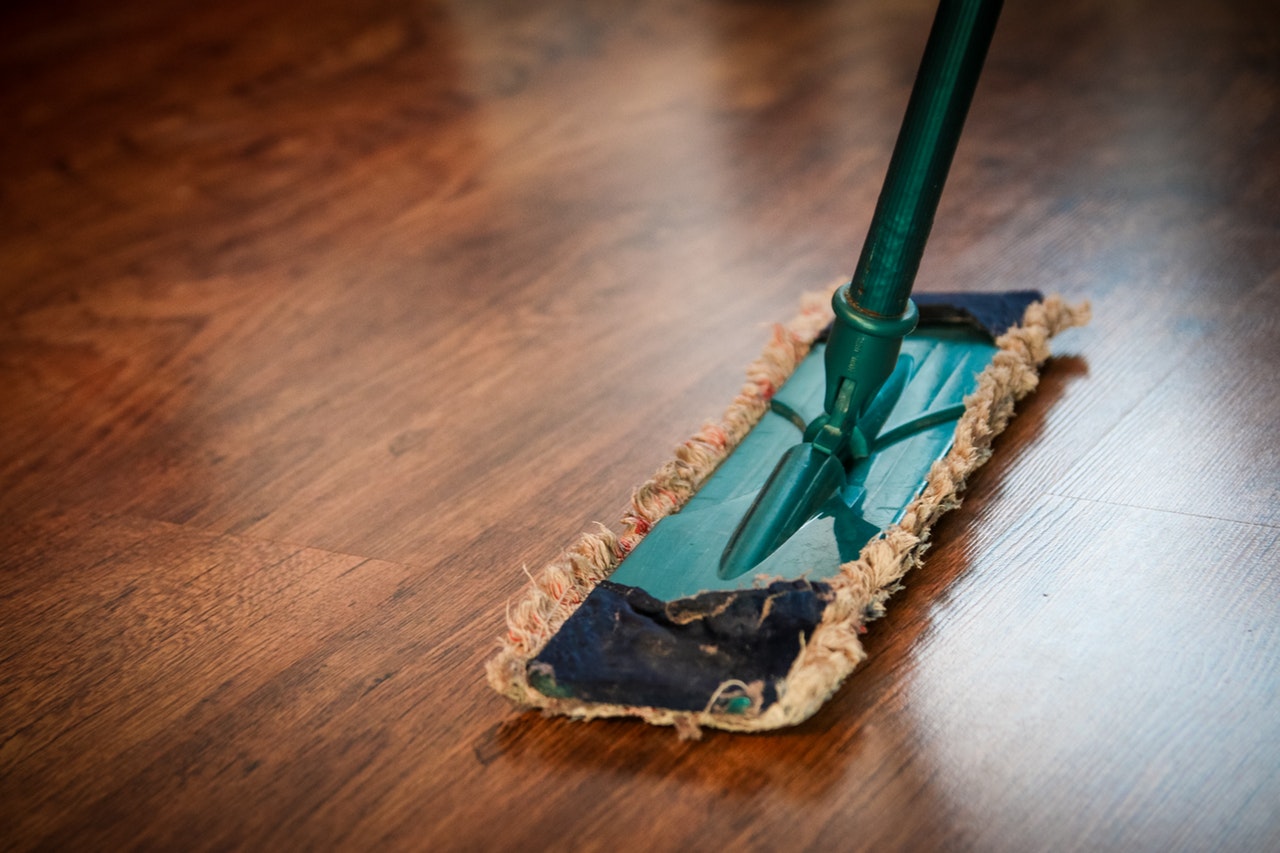
You finally got those beautiful laminate floors installed… and now you’re almost afraid to touch them. One wrong cleaner, one too-wet mop, and suddenly you’re worrying about swelling, streaks, or dull spots. We hear this all the time from homeowners — laminate is tough, but it does have a few ground rules.
In our humid South Jersey climate, those rules matter even more. The good news: once you know what to do (and what to avoid), keeping laminate clean is actually low-stress and low-maintenance.
How Laminate Floors Are Different (And Why It Matters)
Laminate is built in layers: a durable wear layer on top, a printed design layer that gives you that wood or tile look, and a core that doesn’t love standing water. That top layer is tough, but it’s not invincible.
A few key things to keep in mind:
- Moisture is the enemy. Laminate can handle damp mopping, but not puddles, steam, or soaked strings mops.
- The finish, not the “wood,” is what you’re cleaning. Harsh chemicals and abrasives don’t just clean — they attack the wear layer.
- No waxing or polishing. Laminate is designed to stay low-maintenance. Waxes, oils, and polishes usually leave a hazy film instead of a shine.
If you’re still in the planning stage and want something that’s extra resistant to scratches and everyday spills, our laminate flooring collection lets you filter options by style, color, and performance features.
Daily & Weekly Cleaning: The Safe Routine
Think “light and frequent” instead of “heavy and rare.” That’s what keeps grit from acting like sandpaper on the surface.
For everyday care:
- Dust or sweep regularly. Use a soft broom, dry microfiber mop, or vacuum with the hard-floor setting (no beater bar).
- Spot clean as you go. Wipe spills right away with a soft cloth. For sticky spots, use a slightly damp microfiber pad and a laminate-safe cleaner.
- Damp mop — not wet mop. When it’s time for a deeper clean, use a well-wrung microfiber mop and a cleaner labeled for laminate. You want the floor to dry within a few minutes, not stay wet.
In basements or entryways where shoes track in grit, this routine is especially important. A simple door mat can make a big difference in how your floors look years from now.
What NOT To Use On Laminate (This Is Where Damage Happens)
Most laminate damage we see comes from good intentions and the wrong products. If you remember nothing else, remember this list.
Avoid:
- Steam mops (heat + moisture can cause the planks to swell or edges to lift)
- Soaking wet string mops or buckets of standing water
- Oil soaps, waxes, or polishes
- Abrasive powders or scrub pads
- Ammonia, bleach, or vinegar-heavy DIY mixes used full strength
These products may promise “deep cleaning,” but they can strip or haze the finish and may void your manufacturer’s warranty. If you’re not sure whether a cleaner is safe, bring the bottle by our Moorestown showroom or snap a photo and we’ll gladly give you an honest opinion.
Dealing With Scuffs, Scratches, and Stubborn Spots
Life happens: kids drag chairs, pets race down the hallway, someone drops a pan. The goal is to fix little issues without making them worse.
For tricky spots:
- Scuff marks: Often come off with a dry microfiber cloth and a bit of laminate-safe cleaner. Work gently — no steel wool.
- Dried food or sticky messes: Loosen with a slightly damp cloth; never chip at the floor with a knife or metal tool.
- Minor scratches: Some laminate lines offer repair kits or color-fill pens. Check your product info or ask us what will match best.
- Edge swelling or lifting: This usually means moisture got under the surface. At that point, repair is less about cleaning and more about replacing the affected boards, sometimes with a bit of subfloor work underneath.
If you suspect a deeper issue, our professional flooring services can help with everything from plank replacement to subfloor repair, so the problem doesn’t spread.
Keeping Laminate Looking Great For Years
A few simple habits go a long way:
- Use felt pads under furniture legs.
- Add mats at doors and in high-traffic zones.
- Trim pet nails regularly.
- Lift heavy furniture instead of dragging it.
When you combine these habits with the right cleaning routine, laminate easily handles busy families, pets, and all four seasons.
If you’re thinking about new laminate for a room that’s currently carpet or vinyl, or your existing floor needs more than just a quick clean, you don’t have to figure it out alone. You can request a free estimate, and we’ll walk you through options, costs, and what makes the most sense for your home.