

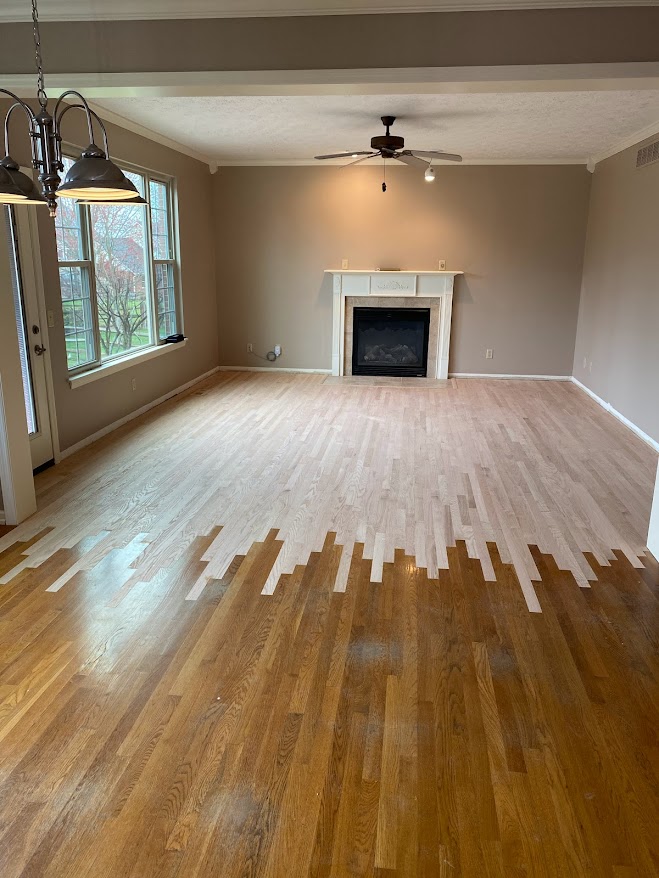
You pull up a corner of an old vent in the living room and there it is: a glimpse of original wood that’s been hiding under carpet for decades. Now you’re wondering if those boards can be brought back to life—or if it’s smarter to start fresh. In older South Jersey homes, that’s a common crossroads, and the right answer depends on condition, construction, and how you live in the space.
Start with the bones: can your existing hardwood be saved?
Before you think about stain colors, you need to know what kind of wood you have and how much life is left in it. Solid hardwood can usually be sanded and refinished several times, while thin engineered planks might only tolerate one light sanding—or none at all if the top layer is too thin.
A flooring pro will look for key warning signs: deep pet stains that have turned boards black, wide gaps between planks, soft spots from moisture, and previous sanding that left the floor noticeably thin at vents or transitions. In many older houses, subfloors also need attention; if the base isn’t solid, even a beautifully refinished surface will feel spongy. When structural issues show up, it’s worth exploring flooring services that include subfloor repair along with installation and trim work, so the entire system performs as one.
When refinishing is the better investment
If the boards are thick, mostly flat, and firmly attached, refinishing is often the most cost-effective option. Sanding removes old finish, light scratches, and shallow stains, then new stain and topcoat give the room a completely different look without changing the character of the house. You can shift from an orange-toned oak to a cooler brown, or from a dark, dated finish to something lighter and more open.
In many older properties, preserving original wood adds charm and resale appeal. Buyers appreciate seeing long, continuous planks and patina that new products can’t fully mimic. For homeowners who like the idea of keeping what’s already there but updating the style, browsing the hardwood flooring collection can be helpful just to understand how different stain tones and sheens might translate to their existing species.
When replacing makes more sense
There are times when sanding is throwing good money after bad. If your floor has severe water damage, multiple loose or cracked boards, large unrepairable pet stains, or previous refinishing that has already taken the boards down close to the tongue, replacement is usually the wiser long-term choice. The same is true if the layout has been heavily patched over the years and no longer looks cohesive.
Lifestyle matters too. In busy households with kids, pets, and lots of foot traffic, you might want wider planks, a tougher factory-applied finish, or even a different construction that handles seasonal humidity swings better. In those cases, looking through real project photos—like the hardwood and luxury vinyl installs in the completed project gallery—can clarify how a full replacement changes both appearance and function.
Balancing character, comfort, and future plans
The refinishing-versus-replacing decision isn’t just about today’s scratches. It’s about how you plan to use the space over the next decade. If you love the quirks of an older house and want to keep as much original material as possible, refinishing with careful repairs can honor that history. Paired with fresh baseboards or updated door casing, a revived floor can make the whole room feel newly renovated without a full tear-out.
On the other hand, if you’re reworking layouts, opening walls, or finishing a basement, new materials might serve you better. Modern engineered wood and even wood-look products can offer added moisture resistance and stability in rooms that see temperature swings. If you’re not sure which path fits your plans, the galleries in the flooring inspiration section are a good way to compare looks before committing.
Ready for a professional opinion?
In many older homes, the smartest choice is a blend of both approaches—refinishing where the wood is strong and replacing sections that are too far gone. A local specialist who understands our climate and housing stock can walk through your rooms, check board thickness and subfloors, and give you clear options with pricing. When you’re ready to have a pro evaluate whether your hardwood should be revived or replaced, you can start by sharing a few details about your project through the free estimate request.